The Rise of Alcohol-Free Drinking Among Younger Generations
Article SUMMARY
Synopsis – Alcohol-free drinks are rapidly gaining popularity among younger consumers, driven by a shift towards more mindful, health-conscious lifestyles. Gen Z and younger Millennials are drinking less alcohol, embracing a “sober curious” mindset that prioritises choice, balance and wellbeing over habit. As a result, alcohol-free options—from craft beers and zero-proof spirits to adaptogenic and functional drinks—are no longer seen as substitutes, but as desirable choices in their own right. With improved quality, more sophisticated flavours and added wellness benefits, these drinks are reshaping social culture and redefining what it means to go out for a drink.
If you’ve spent any time scanning a drinks menu recently, you’ll have noticed something quietly revolutionary happening. Alcohol-free beers, zero-proof spirits and carefully crafted mocktails are no longer an afterthought—they’re centre stage. And much of this shift is being driven by a younger demographic that’s rethinking what it means to “go for a drink.”
A Generation Drinking Less
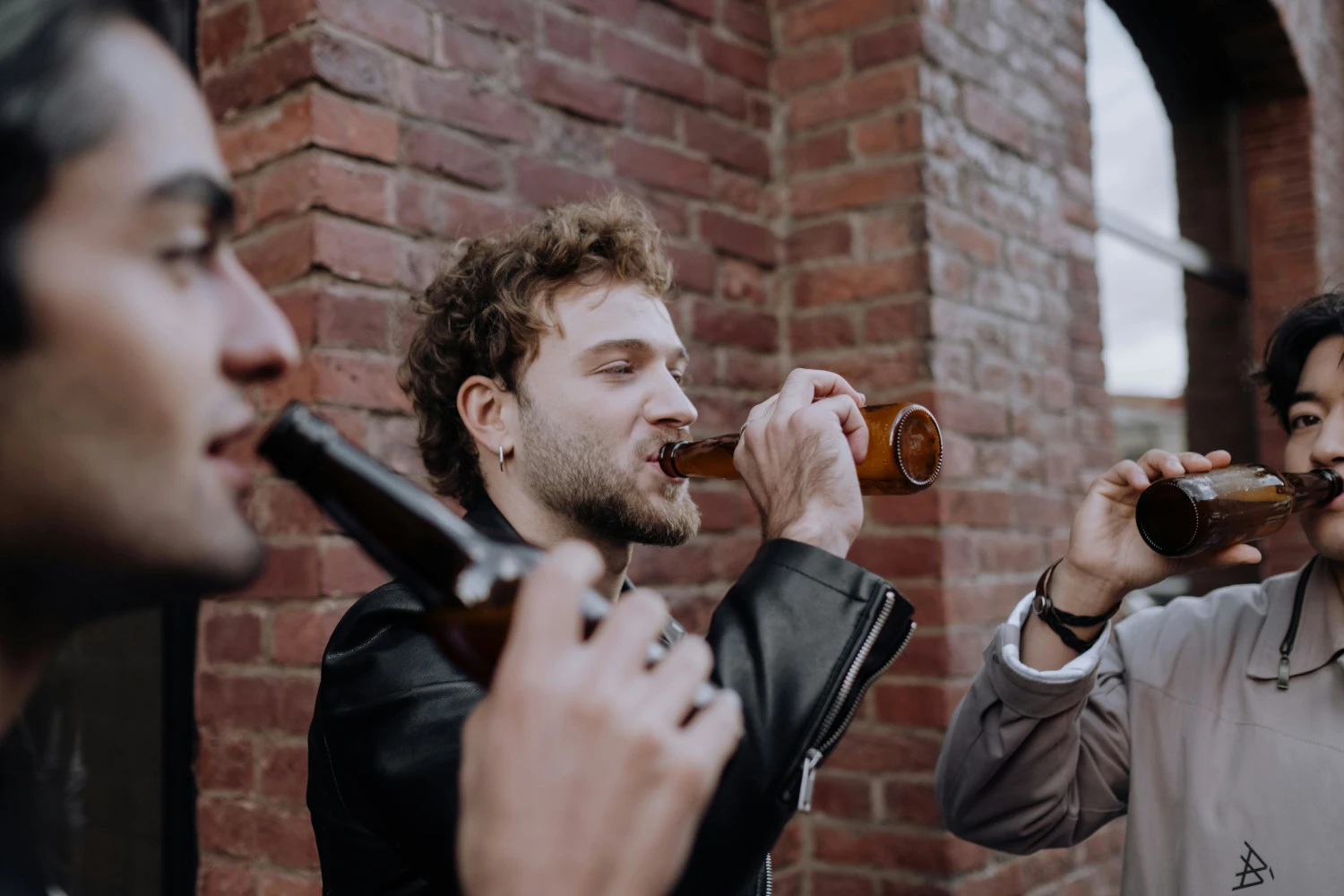
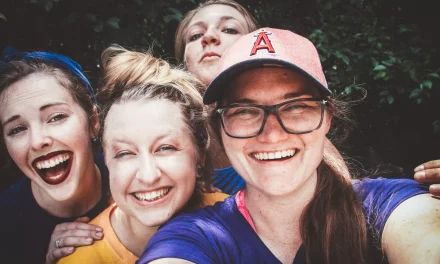
Gen Z—those born from the late 1990s onwards—are drinking less than any generation before them. But this isn’t about prohibition or rigid rules. It’s about a more conscious approach to consumption.
Drinking is no longer the automatic social default. Nights out don’t have to revolve around alcohol, and increasingly, they don’t. Instead, younger consumers are choosing when it suits them—and crucially, when it doesn’t.
This shift is also tied to identity. Where previous generations may have associated drinking with adulthood or social status, Gen Z are more likely to see moderation (or abstinence) as a sign of self-awareness and control.
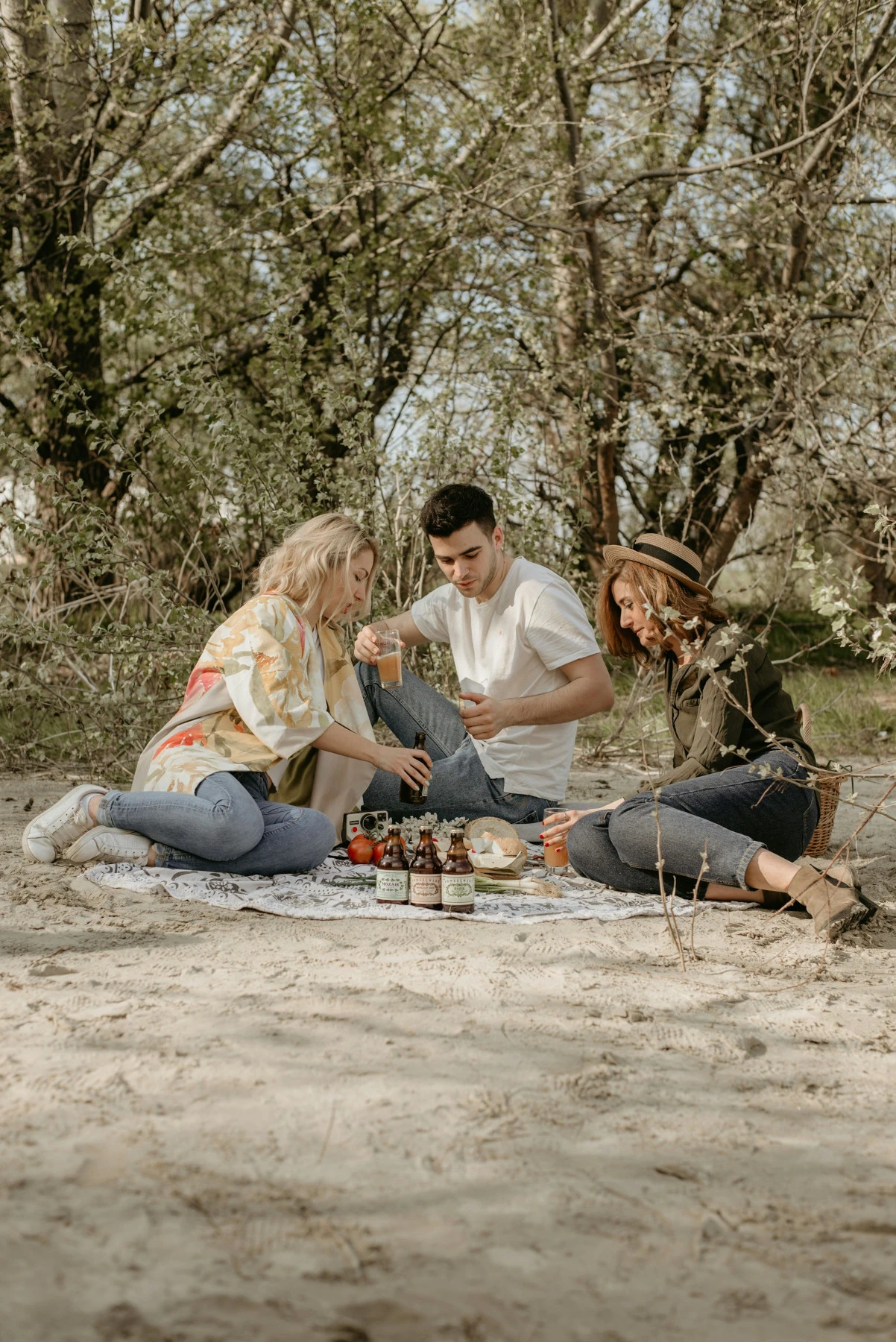
What Are Younger Drinkers Choosing?
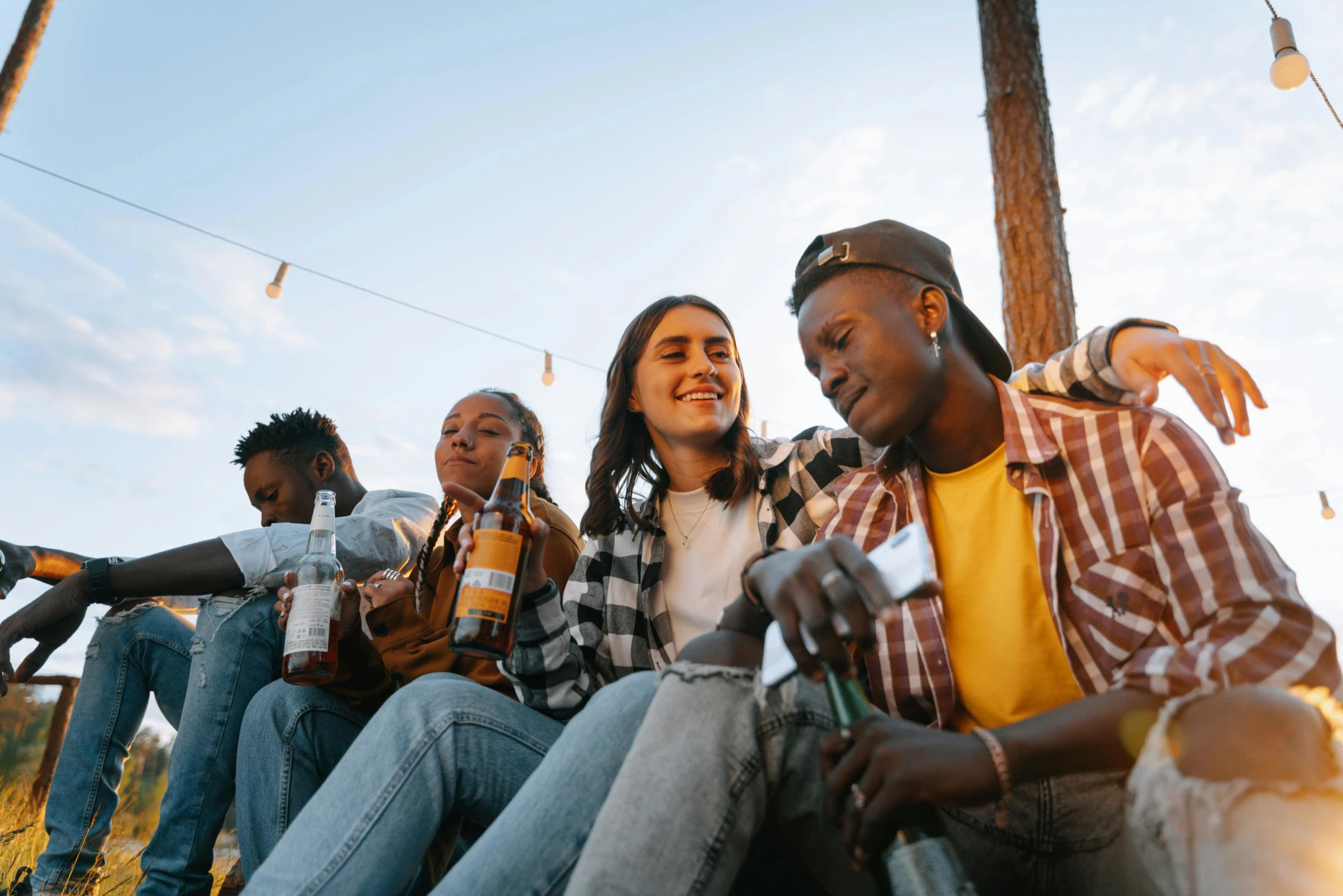
Rather than sitting firmly in the “drink” or “don’t drink” camp, many younger people are embracing a more fluid approach. The rise of the “sober curious” movement reflects this perfectly.
It’s not about giving up alcohol entirely. It’s about asking questions: Do I actually want a drink tonight? How will I feel tomorrow? Is there something better I could choose?
Alcohol-free alternatives fit neatly into this mindset. They allow people to participate in the social ritual—holding a drink, trying something new, enjoying flavour—without the downsides of alcohol.
And importantly, there’s no stigma attached. Choosing a non-alcoholic option is increasingly seen as normal, even aspirational.
Health, Wellness and Feeling Better
One of the biggest drivers behind this shift is a broader focus on health and wellbeing. Younger consumers are far more attuned to how their choices impact both body and mind.
Alcohol doesn’t sit particularly well within that framework. Poor sleep, next-day sluggishness, and impacts on mental health are all well documented—and widely discussed across social media.
For many, cutting back on alcohol is less about restriction and more about optimisation. Better sleep, clearer thinking, improved mood—it’s an easy trade-off.
There’s also a growing interest in ingredients. Labels are being read more closely, and there’s a preference for drinks that feel “functional” rather than empty calories.
Better Products, Better Experiences
Of course, none of this would matter if alcohol-free drinks still tasted like an afterthought. The good news? They don’t.
The category has improved dramatically in recent years. Alcohol-free beers now genuinely resemble their full-strength counterparts. Non-alcoholic spirits bring complexity and depth. And mocktails have evolved from overly sweet sugar bombs to well-balanced, thoughtful creations.
Bars and restaurants are catching up too. Alcohol-free menus are no longer hidden at the bottom of the list—they’re curated, creative and, importantly, treated with the same level of care.
This shift in quality has been crucial. It’s one thing to want to drink less—it’s another to actually enjoy the alternatives. Now, increasingly, people do.
The “Sober Curious” Mindset
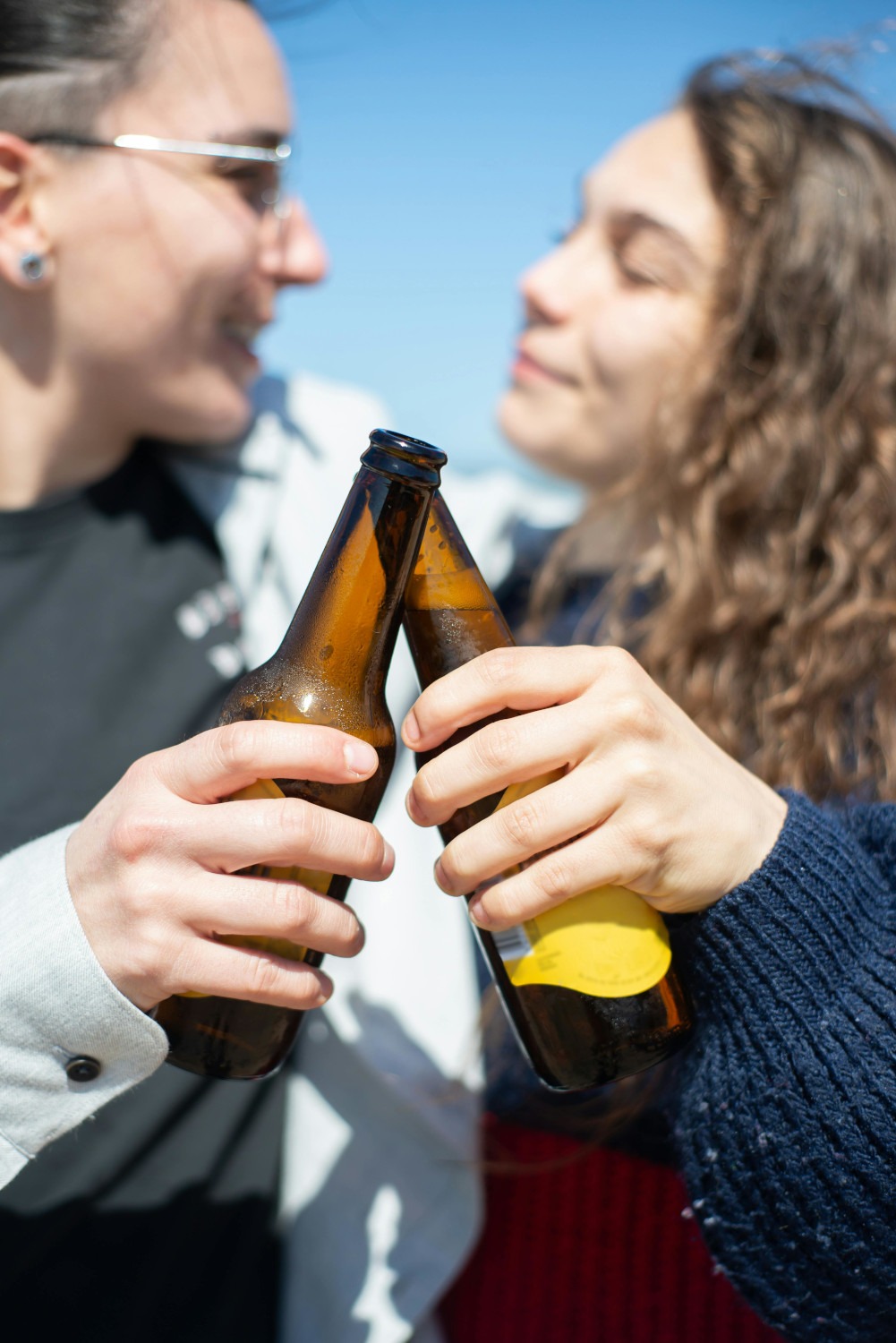
Example non-alcoholic drinks with adaptogens
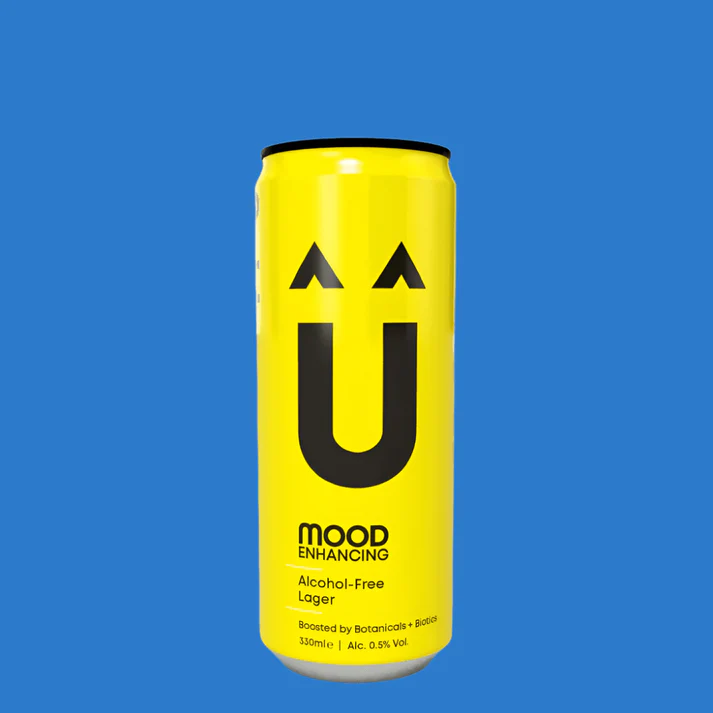
NuWave
Type
Alcohol-free lager
Enhancers
Nootropics and adaptogens
Description
NuWave Mood Enhancing AF Lager has the added benefits of mood-enhancing nootropics and adaptogens as well as being infused with L-Theanine and 5-HTP. Review of NuWave lager.
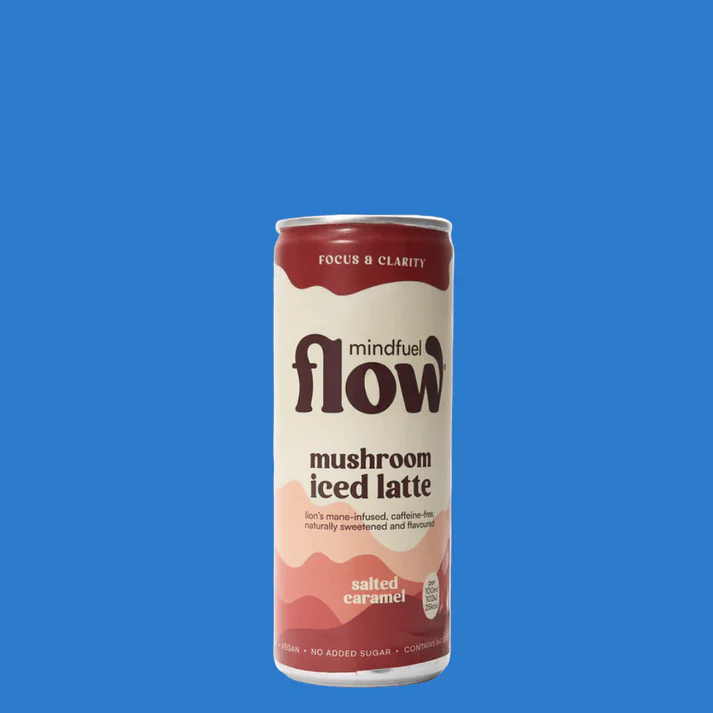
Mindfuel Flow
Type
Salted Caramel Oat Latte
Enhancers
Lion’s mane mushroom
Description
A decadent caffeine-free drink infused with Lion’s Mane mushroom extract and B vitamins to support mental clarity, focus, and calm.
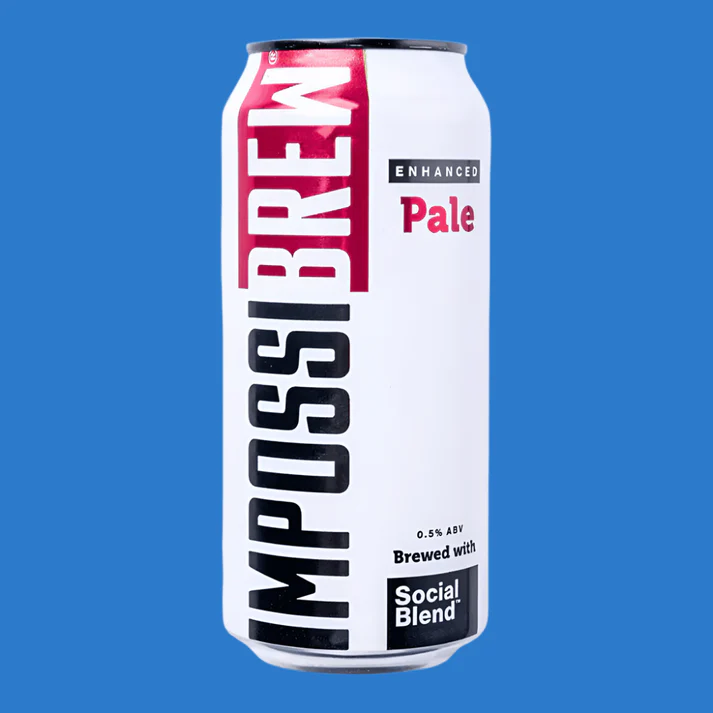
Impossibrew
Type
Pale ale
Enhancers
L-Theanine, ginseng, lemon balm and Griffonia seed
Description
Impossibrew’s Social Blend. Developed with active, plant-powered ingredients designed for boosting serotonin, without drowsiness. Perfect for winding down when you don’t want hangovers the next day. Check out our Impossibrew review.
For more info on mood-enhancing alcohol-free drinks, check out our dedicated article.
Final thoughts
For a generation raised on choice, transparency and wellbeing, alcohol-free drinks simply make sense. They offer flexibility, inclusivity and a way to enjoy social moments without compromise.
And as the category continues to evolve—particularly with the rise of adaptogenic and functional drinks—it’s becoming clear that this isn’t about missing out.
It’s about upgrading what we drink, and why we drink it.