
Stealth Drinking & Zebra Striping: Drinking Trends Explained
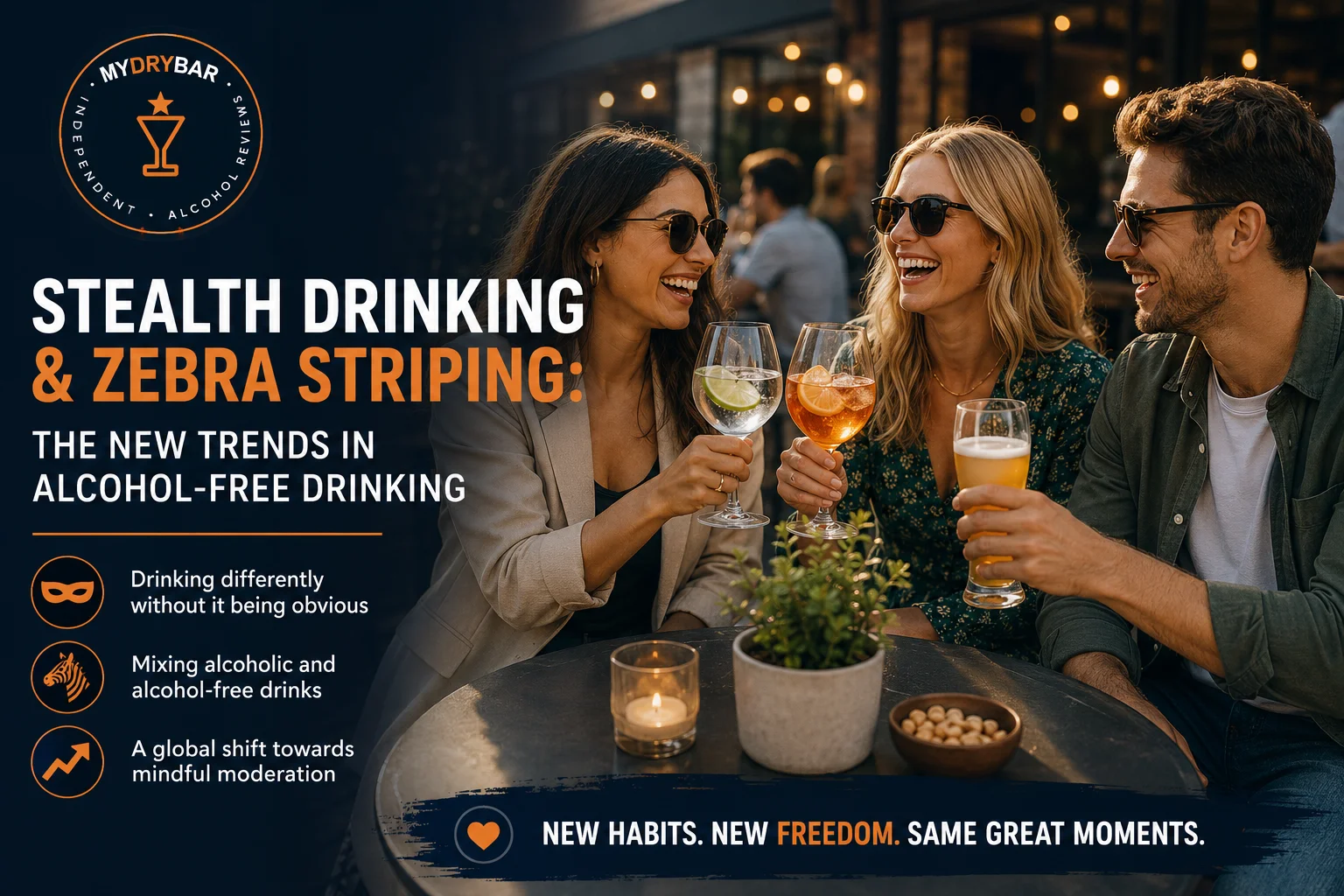
Forget the old choice between “drinking” and “not drinking”. A new generation of moderation habits is making that line much less obvious — and two of the most interesting are zebra striping and stealth drinking.
What is zebra striping?
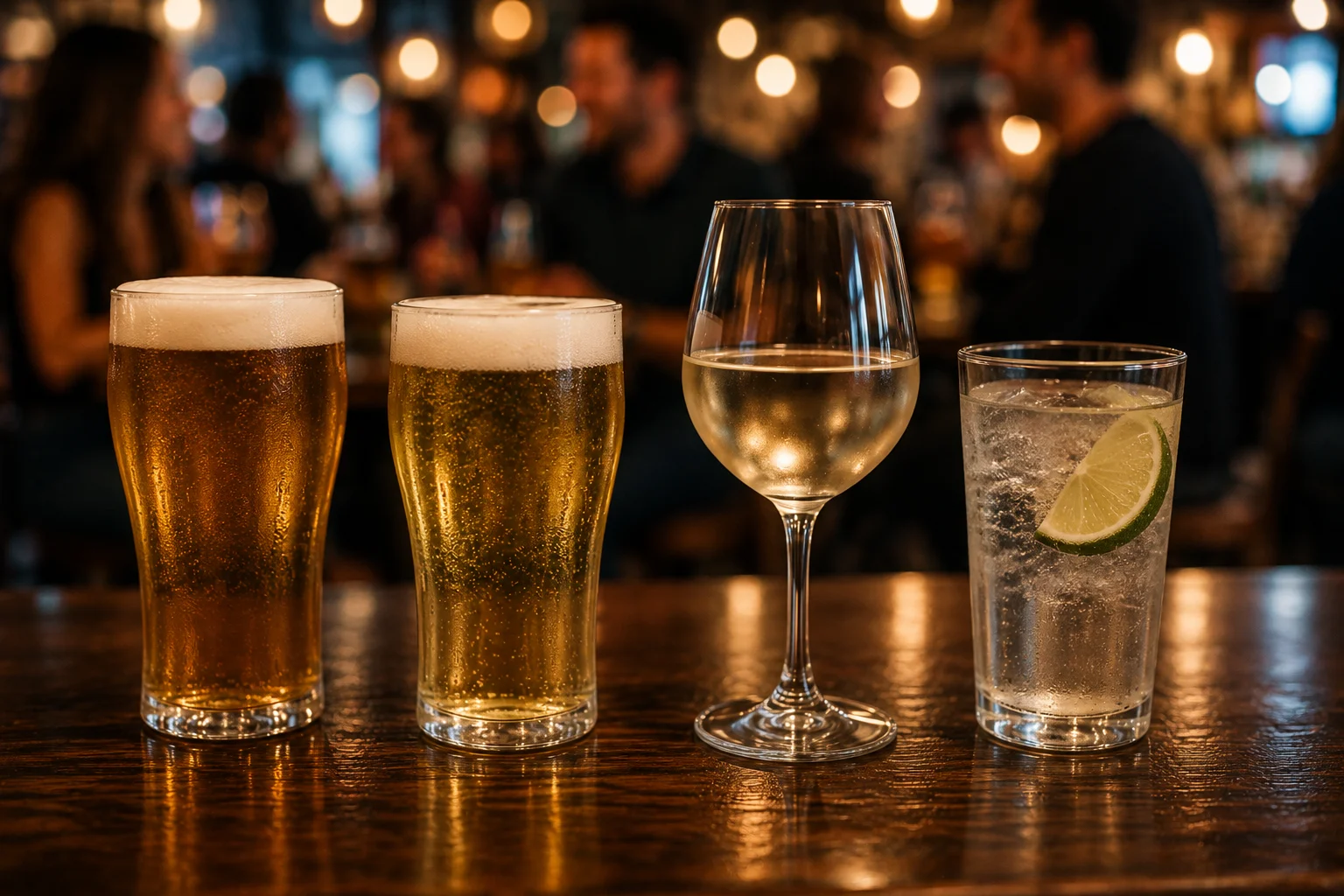
Zebra striping is the practice of alternating between alcoholic and non-alcoholic drinks during the same drinking occasion.
The name comes from the alternating black and white stripes of a zebra. An evening might look something like this:
The behaviour itself isn’t revolutionary — people have alternated booze with water or soft drinks for decades. What’s changed is that the alcohol-free round no longer has to feel like the boring round.
Instead of tap water or lemonade, drinkers can now choose convincing alcohol-free beers, wines, spirits, cocktails and increasingly sophisticated adult soft drinks.
KAM’s 2024 research with Lucky Saint found around a quarter of UK drinkers were already zebra striping in pubs and bars. By 2026, KAM reported that the figure had risen to 45%.
What is stealth drinking?
This is perhaps the more revealing trend.
Stealth drinking means choosing alcohol-free without making a thing of it. You order the 0.0% lager, alcohol-free wine or mocktail and simply carry on with your evening.
From across the table, nobody necessarily knows whether your pint contains 4.5% alcohol or 0.0%. Increasingly, some drinkers seem to prefer it that way.
KAM’s 2026 Low + No research found that more than four in ten people had ordered alcohol-free drinks without their friends realising they were moderating. Among 25–34 year-olds, the figure reportedly rose to 67%.
🍺 The “stealth pint” changes something important
You don’t have to declare yourself sober, explain why you’re not drinking or make the evening about abstinence. Sometimes you just want the beer without the alcohol.
Stealth drinking vs zebra striping: what’s the difference?
Zebra striping
You alternate.
Alcoholic drink → alcohol-free drink → alcoholic drink → alcohol-free drink.
The aim is usually to pace the evening and reduce total alcohol consumption without stopping completely.
Stealth drinking
You substitute — quietly.
Order an alcohol-free alternative, don’t make an announcement, and carry on socialising.
The interesting part isn’t simply drinking 0.0%; it’s that the choice becomes socially almost invisible.
Why are these trends taking off?
1. Alcohol-free drinks have become much better
This is fundamental. Moderation is easier when the alternative actually tastes good.
MyDryBar has been reviewing alcohol-free drinks since 2020, and the improvement in choice is obvious. Products such as Guinness 0.0 and Heineken 0.0 now sit alongside craft lagers, IPAs, wines, spirits and functional drinks.
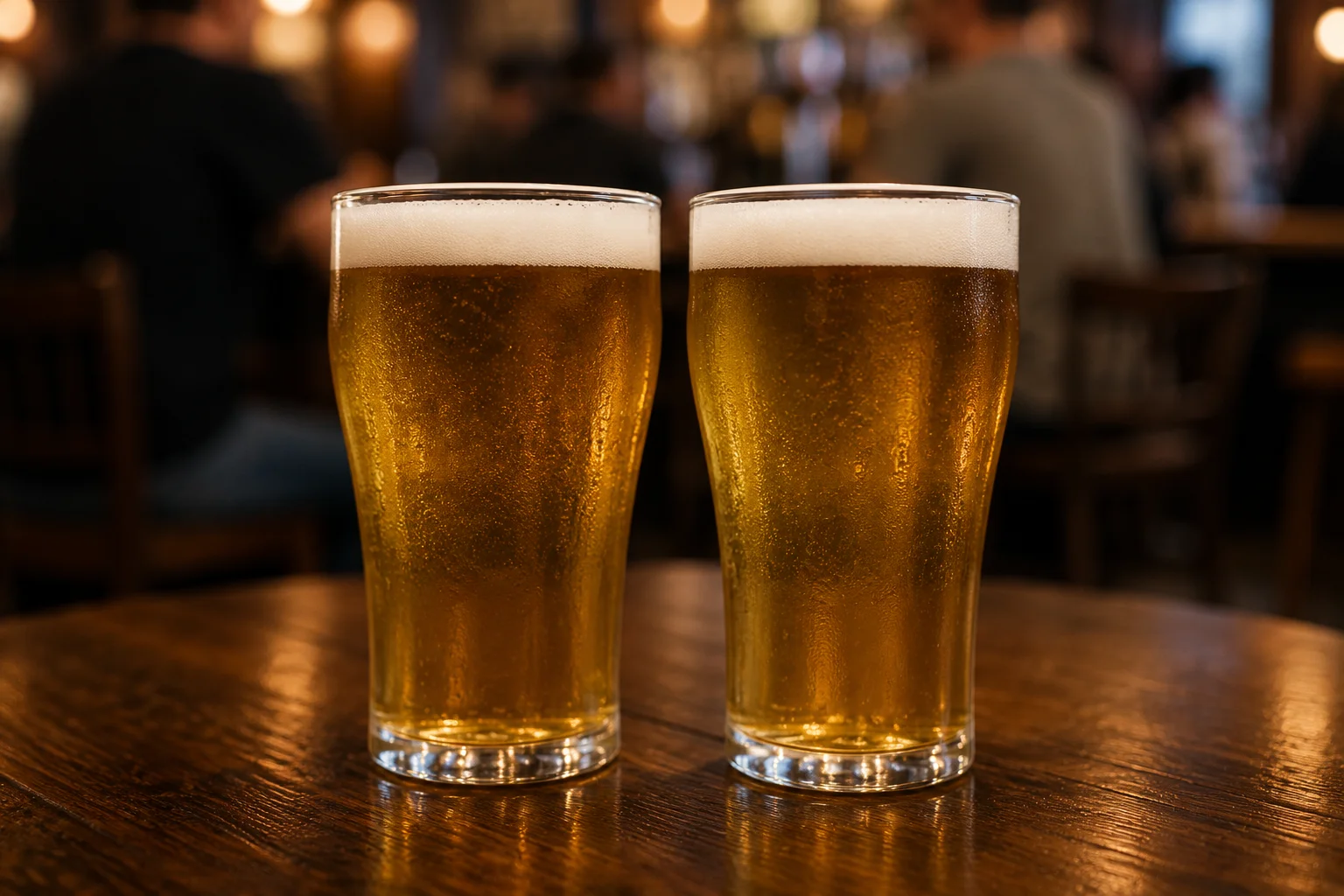
If the alcohol-free pint looks like a pint, tastes like a decent beer and arrives in the same glass, the social distinction starts to disappear.
2. People don’t necessarily want to become non-drinkers
The old model was binary: you drank, or you didn’t.
The newer model is more fluid. Someone might drink wine on Friday, zebra stripe at a wedding on Saturday, have a 0.0% beer at Sunday lunch and not drink at all during the week.
That helps explain the vocabulary appearing around moderation: sober curious, mindful drinking, damp drinking, flexiboozing, zebra striping and now stealth drinking. They’re different expressions of a broader move towards drinking being a decision rather than a default.
3. People still want the social ritual
For many people, the attraction of a beer isn’t solely ethanol. It’s the cold bottle after work. The pint while watching football. Opening wine with dinner. Buying a round. Holding a drink while talking at a party.
Alcohol-free drinks preserve much of that ritual. Stealth drinking takes it one step further: you can participate without your choice becoming the subject of the conversation.
4. Tomorrow morning matters more
Work, exercise, children, travel, sleep or simply not wanting to lose half of Sunday to a hangover can change the calculation.
Zebra striping offers a straightforward way of slowing the pace of alcoholic drinking. Alternating alcohol-free drinks may reduce the total amount of alcohol consumed and space alcoholic drinks out — although it should not be treated as a guaranteed hangover cure.
5. Alcohol-free no longer automatically looks alcohol-free
A pint of 0.0% lager can look indistinguishable from a regular lager. An alcohol-free G&T can arrive with ice, tonic and garnish. A sophisticated mocktail doesn’t need a fluorescent straw and half a fruit bowl attached to it.
The better the category becomes at reproducing the occasion, rather than merely removing the alcohol, the easier moderation becomes.
Are zebra striping and stealth drinking actually healthier?
They’re better thought of as moderation strategies than health trends.
If zebra striping means you drink three alcoholic drinks instead of six, you’ve consumed less alcohol. If a stealth 0.0% pint replaces an alcoholic pint, you’ve removed the alcohol from that particular drink.
But an alcohol-free drink isn’t automatically a health product. Calories, sugar and ingredients vary considerably — something we explore in Is alcohol-free beer good for you?
There’s a bigger trend hiding underneath all of this
For years, alcohol-free marketing largely focused on people who weren’t drinking: designated drivers, people doing Dry January or those who had stopped drinking altogether.
That’s changing.
The potentially much larger audience is people who do drink alcohol — but don’t want alcohol every time they have a drink.
From abstinence to substitution
The future of alcohol-free may not be millions of people permanently giving up alcohol. It may be millions of ordinary drinkers replacing their third, fourth or fifth alcoholic drink — or choosing 0.0% on an entirely ordinary Tuesday.
That matters enormously for alcohol-free brands, pubs and retailers. The competition isn’t simply for the “non-drinker”. It’s increasingly for the next round.
Six drinking trends worth knowing
🦓 Zebra striping
Alternating alcoholic and alcohol-free drinks during the same occasion.
🥷 Stealth drinking
Choosing alcohol-free without necessarily telling everyone you’re moderating.
🧠 Mindful drinking
Being more deliberate about when, why and how much alcohol you consume.
👀 Sober curious
Questioning your relationship with alcohol without necessarily committing to permanent sobriety.
💧 Damp drinking
Reducing alcohol consumption rather than going completely “dry”.
↔️ Flexiboozing
Moving flexibly between alcoholic and alcohol-free choices depending on the occasion.
What does this mean for alcohol-free drinks?
It means the category is becoming less about compromise. People increasingly expect an alcohol-free beer to be a good beer, an alcohol-free spirit to make a proper adult serve and a mocktail to deserve its place on the same menu as a cocktail.
And that’s good news for drinkers. More demand means more competition, more experimentation and — hopefully — better drinks.
🍹 Find an alcohol-free drink you’ll actually enjoy
Use the MyDryBar Drink Selector to explore alcohol-free beers, wines, spirits and other drinks based on your tastes.
Frequently asked questions
What is zebra striping with alcohol?
Zebra striping means alternating alcoholic and non-alcoholic drinks during the same occasion.
What is stealth drinking?
In the current moderation context, stealth drinking describes choosing an alcohol-free drink without necessarily drawing attention to the fact that you’re moderating.
Does zebra striping stop a hangover?
No. It may slow alcohol consumption and reduce the total amount you drink, but it cannot guarantee that you won’t experience a hangover.
Is zebra striping the same as mindful drinking?
Not exactly. Mindful drinking is a broader approach to thinking consciously about alcohol. Zebra striping is one specific moderation tactic.
Do you have to be sober to drink alcohol-free drinks?
No. Increasingly, alcohol-free drinks are consumed by people who also drink alcohol. Zebra striping is a good example of alcoholic and alcohol-free choices coexisting in the same occasion.